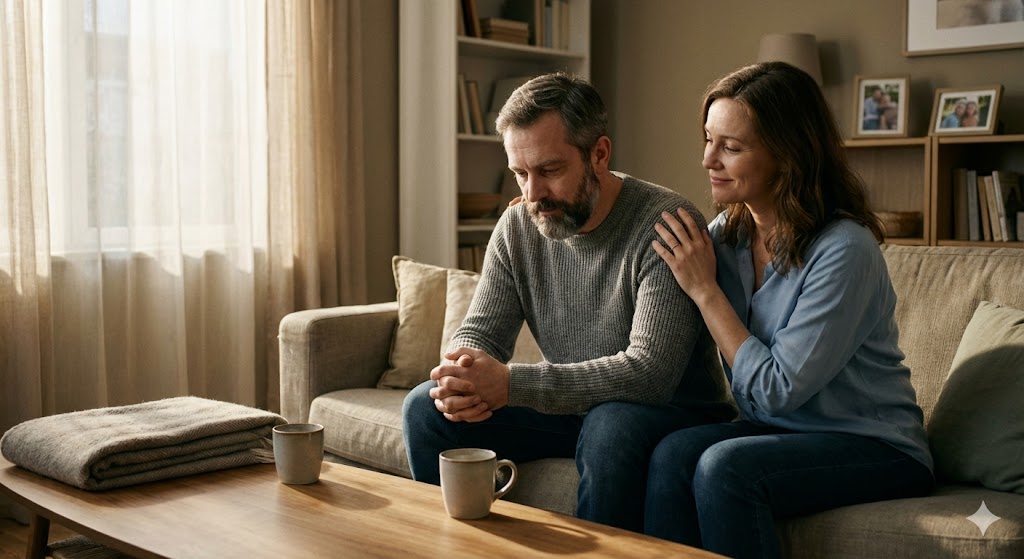
Unhealed childhood trauma in marriage can lead to depression, anxiety, anxious attachments, and avoidant attachments while also lowering the quality of adult relationships. It can take away the beauty of your marriage and make ordinary situations feel offensive or hurtful, even when those situations are only imagined or have not happened yet.
You start to misinterpret your partner and associate their normal behaviors with your traumatic past experiences. But the question arises how unhealed childhood trauma affects your marriage and how to heal together? Here’s our expert advice helping you both overcome toxic experiences and start living like a happy couple.
Childhood Traumas You May Have in Marriage
There are many types of childhood traumas that either one or both of you may have, including verbal, sexual, and physical abuse, emotional and physical neglect, parental separation, and domestic violence.
- Verbal Abuse: Verbal abuse during childhood will leave you scared of being criticized or having conflict in the marriage.
- Physical Abuse: Physical abuse in childhood may lead to a feeling of insecurity in touching or being argumentative in marriage.
- Sexual Abuse: Childhood sexual abuse tends to lead to intimacy issues, shame or trust in marriage.
- Emotional Neglect: There is a lack of trust in marriage because of emotional neglect, which leaves you in a daily uncertainty of whether you are really loved.
- Physical Neglect: Physical neglect might become a source of chronic fear of the safety and care in the marriage.
- Separated Parents: Parental separation may cause feelings of abandonment or failure in a relationship in marriage.
- Domestic Violence: Domestic violence may make it sound threatening to endure loud conflict in a marriage.
- Substance Abuse: Growing up with a drug addiction may lead to distrust or control problems in marriage.
- Mental Illness: When a parent has an untreated mental illness, it may lead to difficulty regulating emotions or a fear of mental health problems.
- Incarceration: Being imprisoned can create fear of losing or being involved in an unstable marriage.

How Unhealed Childhood Trauma Affects Your Marriage?
A marriage can get severely affected if a person marries without healing his traumas. The unhealed childhood traumas may impact trust, emotional intelligence, patterns of communication, emotional shutdowns, and reactions. It can also cause fear of being seen too deeply or staying depressed all the time.
Trust Wounds in Marriage
Old trauma builds a guarded heart that stays cautious even with a loving spouse. Opening up feels risky because past pains stop a person from trusting others. You expect disappointment or betrayal without reason.
You suffer from unseen barriers that hinder you from relying on your partners. Sometimes you test their love instead of trusting it.
Emotional Intelligence Struggles
Trauma makes emotions feel intense or mixed up, making handling them in marriage hard. Reactions come fast before thinking, and sharing feelings often turns into shutting down. Naming what you feel inside is difficult, and your spouse’s words or tone get misread easily. Fights bring either too much feeling or none at all, leaving both partners lost.
Trauma-Shaped Communication Patterns
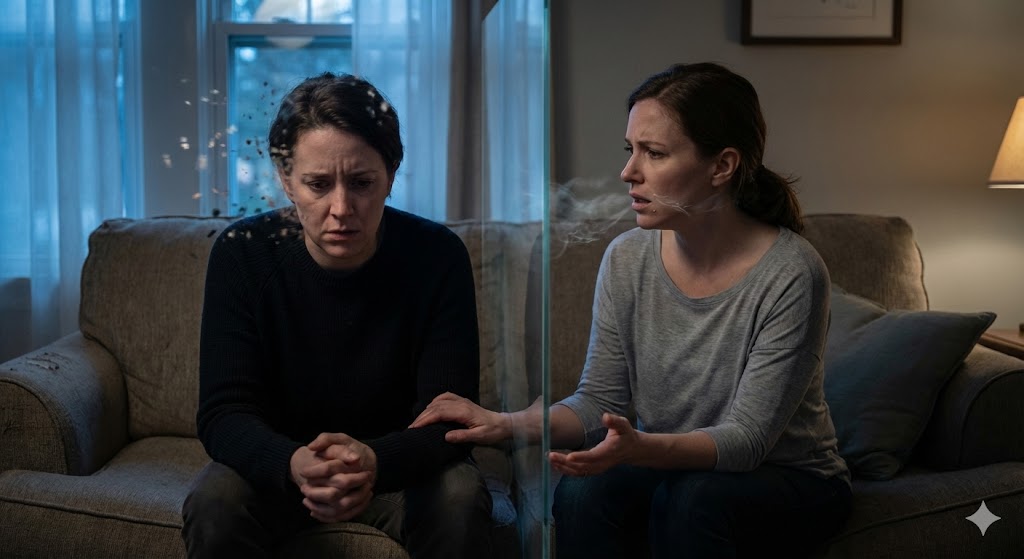
If a spouse has seen frequent yelling or silence in childhood for any reason, it reflects in their communication patterns as well. Old family fights replay with your spouse, and dysfunctional communication feels normal. You swing between loud words and avoiding everything, with needs staying hidden or expressed sideways. Honest speaking feels risky, so blame, control, or withdrawal keeps you safe.
Emotional Shutdown as Self-Protection
When you and your partner grow closer, trauma makes you pull away to feel safe. In fights, silence replaces words, and closeness feels heavy instead of comforting. You disconnect to avoid getting hurt, and feeling numb becomes the easiest way to cope.
Emotional Reactions That Don’t Match the Moment
Trivial issues trigger big feelings like anger or fear linked to hidden childhood pain. Your body reacts before your mind catches up. Calming down takes time because your nervous system remains hypervigilant. Simple talks can escalate because past shadows mix with present moments.
Distorted Interpretation of Communication
Even if your spouse is saying normal words, you hear them as attacks due to past traumas. You feel that your spouse’s tone is sharp and aggressive because of the deep impact of the toxicity you experienced in the past. It triggers a quick defense and causes arguments due to misunderstandings.
Internalized Unworthiness
The past traumas can make a person feel internalized unworthiness. It can make them apologize more in the marriage, even for small things. A spouse with this issue tends to belittle their feelings, needs, and desires and gives more importance to what their partner thinks and wants. They tend to consider themselves a burden on their spouse. Without any reason, they feel guilty, and even their spouse’s care feels difficult to accept.
Who Is Affected By Trauma?
Approximately 63.9%-64% of adults have at least one Adverse Childhood Experience (ACE) in their lives. It might be as a result of negligence, maltreatment, a continuous toxic relationship, or even giant systems such as racism or exclusion. However, certain communities are characterized by higher levels of trauma than others ,and they include:
- Immigrant and Neurodivergent populations
- Black individuals
- LGBTQIA+ individuals
How To Heal Together From Unhealed Childhood Trauma In Marriage?
You can recover the unresolved childhood traumas in your marriage if you commit to it. You can do it by being conscious of them, identifying emotional triggers, setting healthy boundaries, and seeking professional assistance when needed to do so.
Build Shared Trauma Awareness
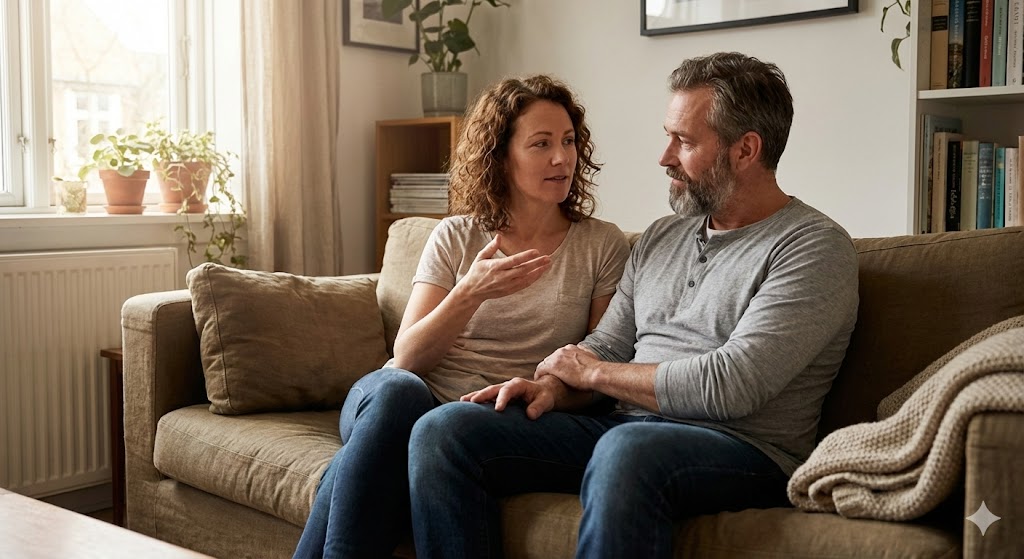
Shared understanding of how trauma affects the brain and nervous system helps you see reactions as old survival responses, not personal attacks. This understanding will help to minimize blame and will help you not to take things too personally.
Empathy replaces defensiveness, and you develop a common language of what occurs within yourself during difficult times. Also, since one can see the trauma that led to the behavior, then kindness is shown on both ends, and healing becomes more of a teamwork collaboration and not a battle.
Identify Emotional Triggers Together
Work together to identify triggers that activate trauma responses in the marriage and lead to the intense responses. Most commonly, it is the childhood traumas, like the fear of being left alone, which turn into sudden anger or panic, creating conflicts and quarrels.
Such emotional triggers must be carefully identified and avoided as much as possible. Avoid linking past experiences to the present situation.
Create Safe Boundaries Without Disconnection
Healthy boundaries let you take space to calm down without punishment or completely withdrawing. Pause heated discussions calmly when emotions get too high to protect each other from more hurt.
Speak clear limits and needs with firmness wrapped in kindness so safety grows without distance. These gentle pauses and honest expressions keep the bond alive and give the nervous system time to relax, allowing love to stay close even during tense conversations.
Invite Professional Support When Needed
Consider trauma-informed couples therapy, which is designed to heal past wounds and repair the existing relationship patterns. It teaches you not to blame your spouse for what has happened to you in the past.
It will make you better comprehend your trauma and know how to cope with it without letting it interfere with your current life.
Final Words
How unhealed childhood trauma affects your marriage, and how to heal together as a couple? Untreated childhood trauma can quietly hurt your marriage by making trust hard, emotions confusing, and talks stuck in old patterns. It brings big reactions to small things, walls during closeness, fear of being seen, and feelings of not deserving love. But you can heal together gently if you work together to mend your marriage.
To overcome the childhood trauma in marriage, learn more about the trauma, how it works, and what the triggers are. Instead of fighting or arguing, try to separate each trigger and avoid connecting your present with the past. Have safe boundaries in your relationship and compassion for each other. Be patient, as it may take time. Take help from a professional trauma-informed counselling expert to learn trigger patterns, break the blaming cycle, and talk to each other openly.
FAQS
How does childhood trauma affect marriage?
It lowers the quality of the marriage by breaking trust, causing disputes and arguments, sparking big reactions to even trivial issues, and leading to emotional shutdowns.
What is the impact of unresolved trauma in marriage?
Unresolved trauma in marriage often erodes trust, intimacy, and communication, leading to emotional walls, big reactions to small issues, repeated conflicts, and difficulties with closeness or empathy.
How long does it take to heal from childhood trauma?
Healing from childhood trauma varies by person and trauma type, often taking months to years with therapy, and it is a gradual lifelong process rather than a quick fix.
